What are peptides?
Peptides are short chains of amino acids, the building blocks of proteins that help signal, repair, and regulate processes in the body. Common peptide uses include skin care (collagen support), muscle recovery, and research.
Are Peptides Safe ?
FDA approved peptide products are generally safe when prescribed and monitored by a licensed clinician. But many peptides sold online as “research chemicals” are not approved for human use; purity, dosing, and sterility can be uncertain
How Peptides work
Peptides are short amino-acid chains that signal cells. They bind to specific receptors on cell membranes, triggering cascades that turn genes and enzymes on or off. Different peptides = different targets, so effects vary by sequence and dose.
Peptides for Cognitive Health & Focus
Some peptides (e.g., Semax, Selank etc) are explored for focus, memory, and mental clarity by modulating neurotransmitters and neuroplasticity. Evidence varies and many aren’t approved for self use, consult a clinician and use verified, prescription grade products only.
Peptides for Athletic Recovery & Performance
Certain peptides may aid recovery and performance by reducing inflammation, accelerating tissue repair, and supporting growth-hormone pathways. Commonly discussed: BPC-157, TB-500 (Thymosin β4), CJC-1295/Ipamorelin (GH secretagogues), and collagen peptides for joint support.
Peptides for Longevity & Anti-Aging
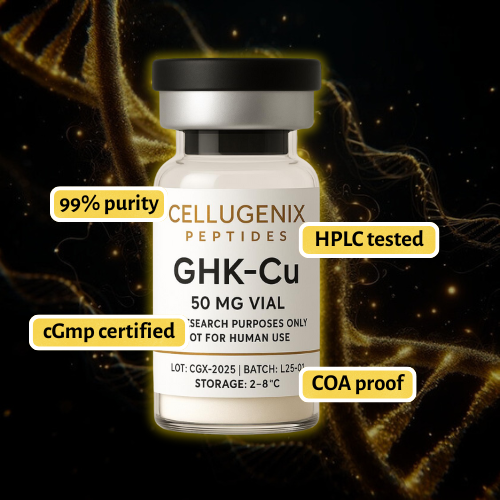
Peptides may support healthier aging by signaling repair, collagen synthesis, and anti-inflammatory pathways. Commonly discussed: GHK-Cu (skin firmness/repair), Matrixyl®/palmitoyl peptides (wrinkles), acetyl hexapeptide-8 (expression lines), BPC-157 and MOTS-c (cellular repair/mitochondria; emerging).