
GH & Circadian
This category contains GH secretagogue peptides and compounds studied in relation to circadian rhythm regulation and pulsatile signaling patterns. All compounds listed are intended strictly for in vitro and laboratory research purposes. They are not approved for human use, veterinary use, or consumption of any kind.…
Products
About GH & Circadian research compounds
Compounds used in growth-hormone axis research, including GHRH analogues, ghrelin-receptor agonists and IGF-1 analogues, plus peptides studied in circadian and pineal research.
Compounds in this category
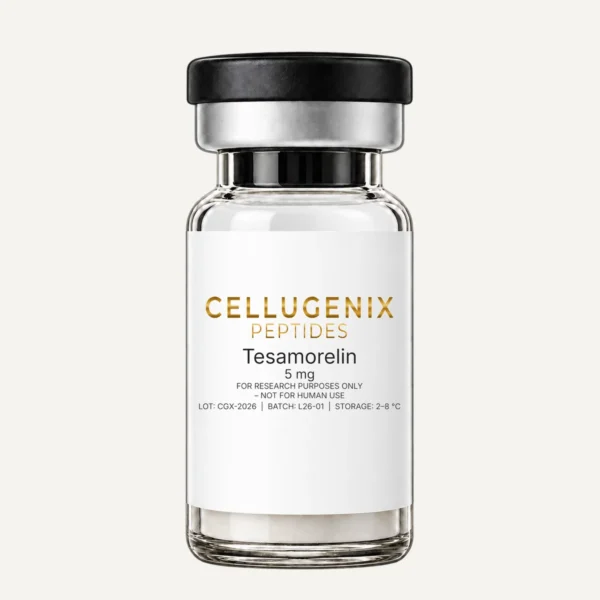
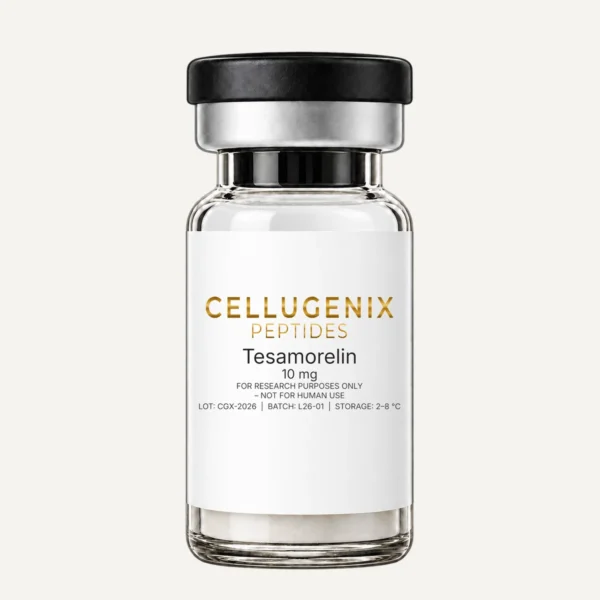
- Tesamorelin CAS 218949-48-5
- An analogue of the full 44-residue growth-hormone-releasing hormone with a trans-3-hexenoyl group at the N-terminus.
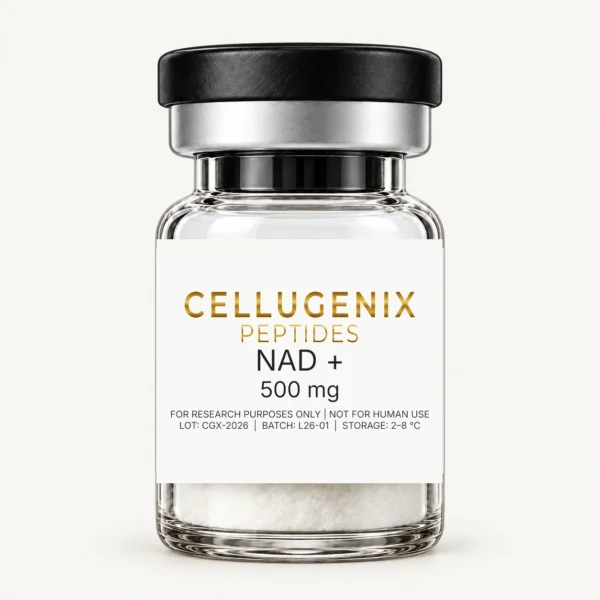
- NAD+ CAS 53-84-9
- The oxidized form of nicotinamide adenine dinucleotide, a coenzyme in cellular redox reactions.
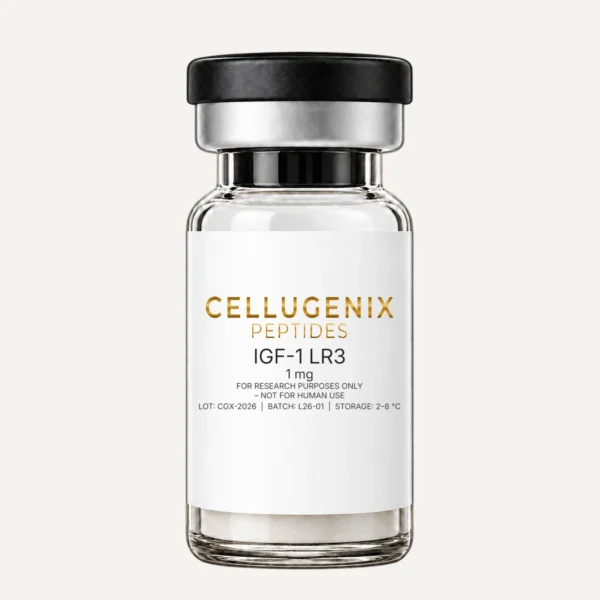
- IGF-1 LR3
- An 83-residue analogue of insulin-like growth factor 1 with an Arg3 substitution and a 13-residue N-terminal extension, which lowers binding to IGF-binding proteins.
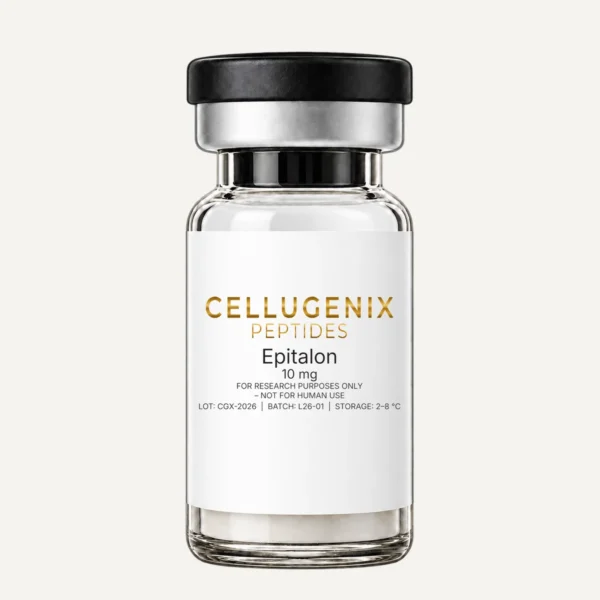
- Epitalon CAS 307297-39-8
- A synthetic tetrapeptide modelled on epithalamin, a peptide extract of the pineal gland.
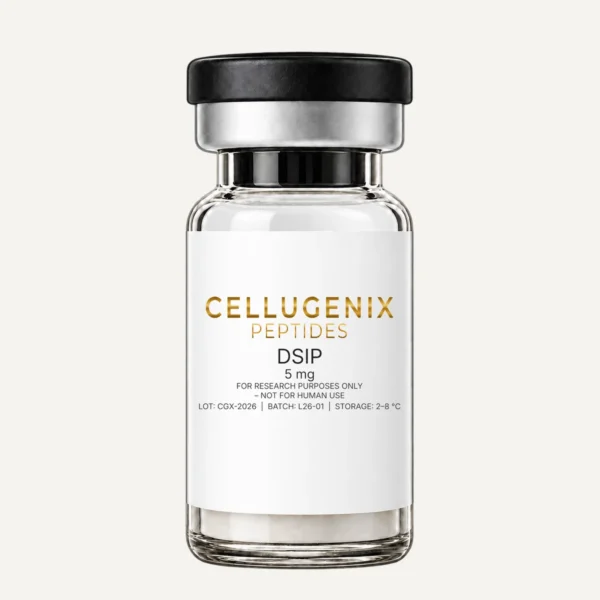
- DSIP CAS 62568-57-4
- A nonapeptide first isolated in the 1970s from cerebral venous blood.
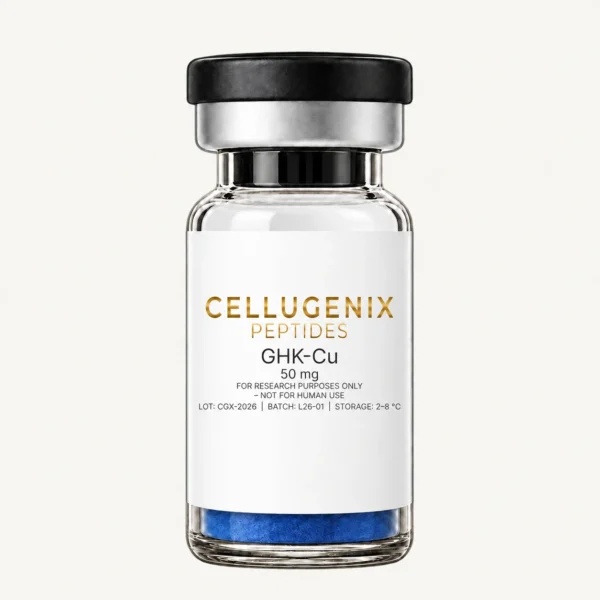
- GHK-Cu CAS 89030-95-5
- The copper(II) complex of glycyl-L-histidyl-L-lysine, a tripeptide first identified in human plasma.
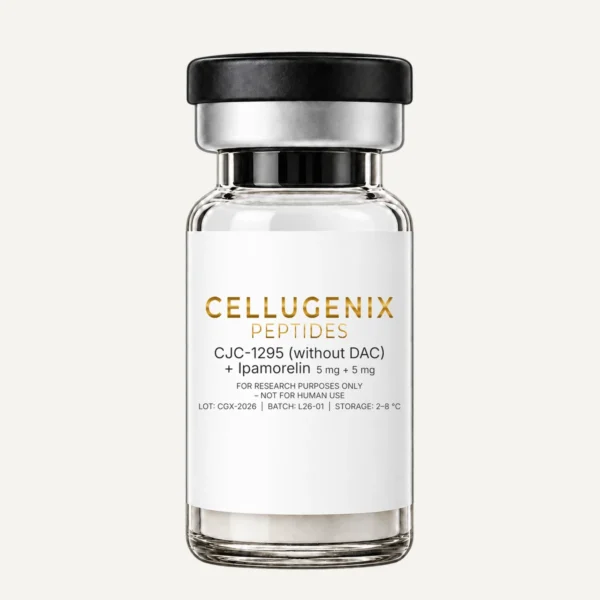
- CJC-1295 (without DAC)
- A 29-residue analogue of GHRH(1-29) with four amino-acid substitutions that slow enzymatic breakdown.
- Ipamorelin CAS 170851-70-4
- A synthetic pentapeptide agonist at the ghrelin receptor (GHS-R1a).
Every compound ships with a lot number, and third-party reports are published in the COA library. For research use only. Not for human or animal use.